What Lock Re-Key After a Break-In Actually Involves — and Why It Matters
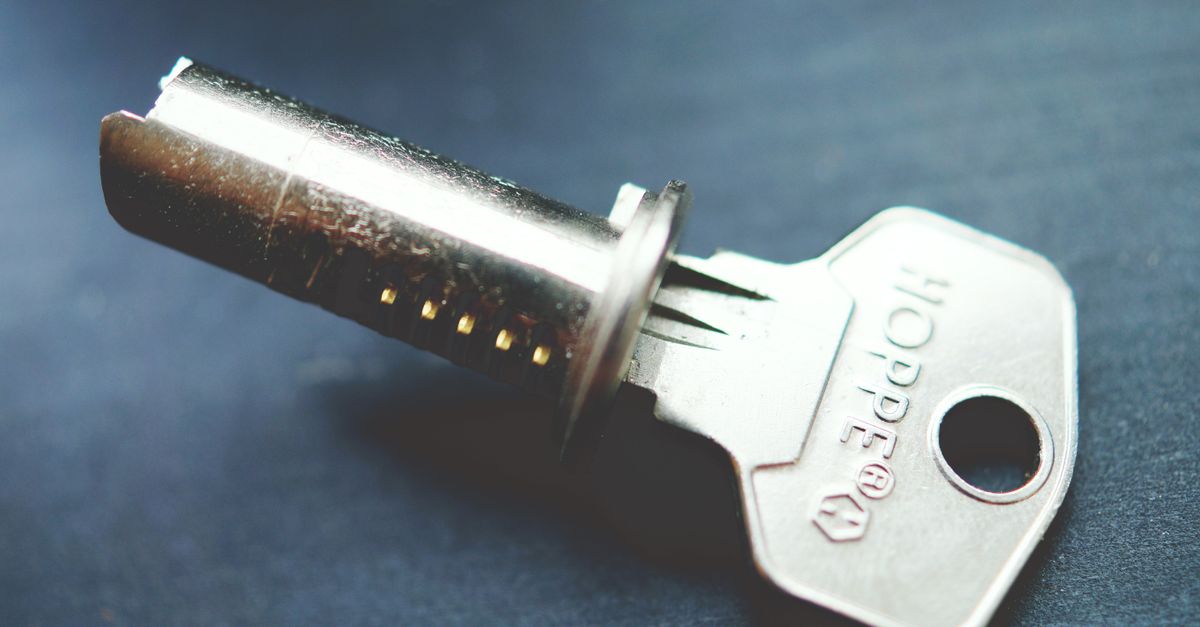
Rekeying is not the same as a simple lock change, and understanding the difference helps you make the right call after a security incident. When a technician performs a lock rekey, they disassemble the cylinder, replace the internal driver pins and key pins with a new configuration, and reassemble the hardware — all within minutes per lock. The result is a new key cut, and every key that previously operated that cylinder is now permanently inert. After a burglary, this matters enormously: stolen keys, keys left in a bag the intruder grabbed, or keys duplicated during a prior visit by someone you no longer trust all become dead metal overnight.
A house lock rekey covers more ground than most homeowners initially expect. Our team evaluates every entry point — not just the door that was forced — because experienced security professionals know that intruders often probe secondary access routes before committing to a point of entry. That evaluation includes standard knob and lever sets, deadbolt lock cylinders, mortise lock assemblies (common in older Caldwell homes built before the 1970s), sliding door lock hardware, and in some cases glass door lock mechanisms on rear patio or sunroom entries. If any hardware sustained damage during the forced entry, we'll tell you clearly whether a rekey is still viable or whether a mortise lock replacement, deadbolt lock replacement, or other component swap is the better path forward.