How Car Key Replacement Actually Works — Cutting, Chipping, and Programming
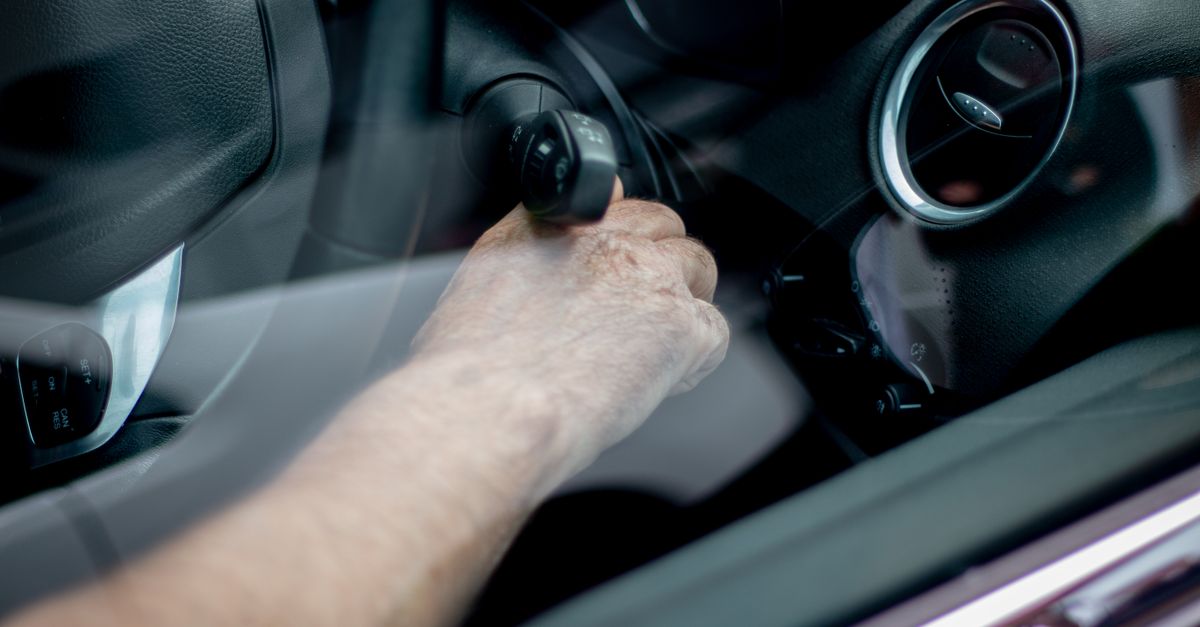
A replacement car key is not simply a metal blank shaped to fit a lock cylinder. Since the mid-1990s, virtually every vehicle sold in the United States has incorporated a transponder chip inside the key head. When you turn the ignition, the car's ECU sends a radio signal to the chip; if the chip doesn't respond with the correct encrypted code, the engine immobilizer prevents the car from starting. Our technicians use OBD-II diagnostic interfaces and manufacturer-level key-programming tools to write the correct code to a new transponder, synchronize it with your vehicle's onboard computer, and — where required — reset the immobilizer registry so the new key is fully recognized.
Key fobs and smart proximity keys add another layer: the rolling-code system generates a new encrypted handshake signal every single time you press a button or approach the vehicle. Programming these devices requires live communication with the vehicle's Body Control Module (BCM), not just a simple button sequence from the owner's manual. Our mobile setup brings that capability directly to your driveway or parking spot, covering everything from basic transponder keys to high-security laser-cut (sidewinder) keys, push-button start fobs, and dual-function combo key-fob units. If you need immediate help right now, call (973) 935-3324 — we answer 24/7 and dispatch a technician to your exact location.